

In the 1980s, Rick Hendrick looked at his pit crews and asked a simple question.
What if we treated these people like athletes?
Not just workers doing a job. Not just a support function for the car. Athletes. With training, recovery, performance metrics, and the kind of intentional preparation that serious competition demands.
Pit stop times dropped from the mid-teens to nine seconds.
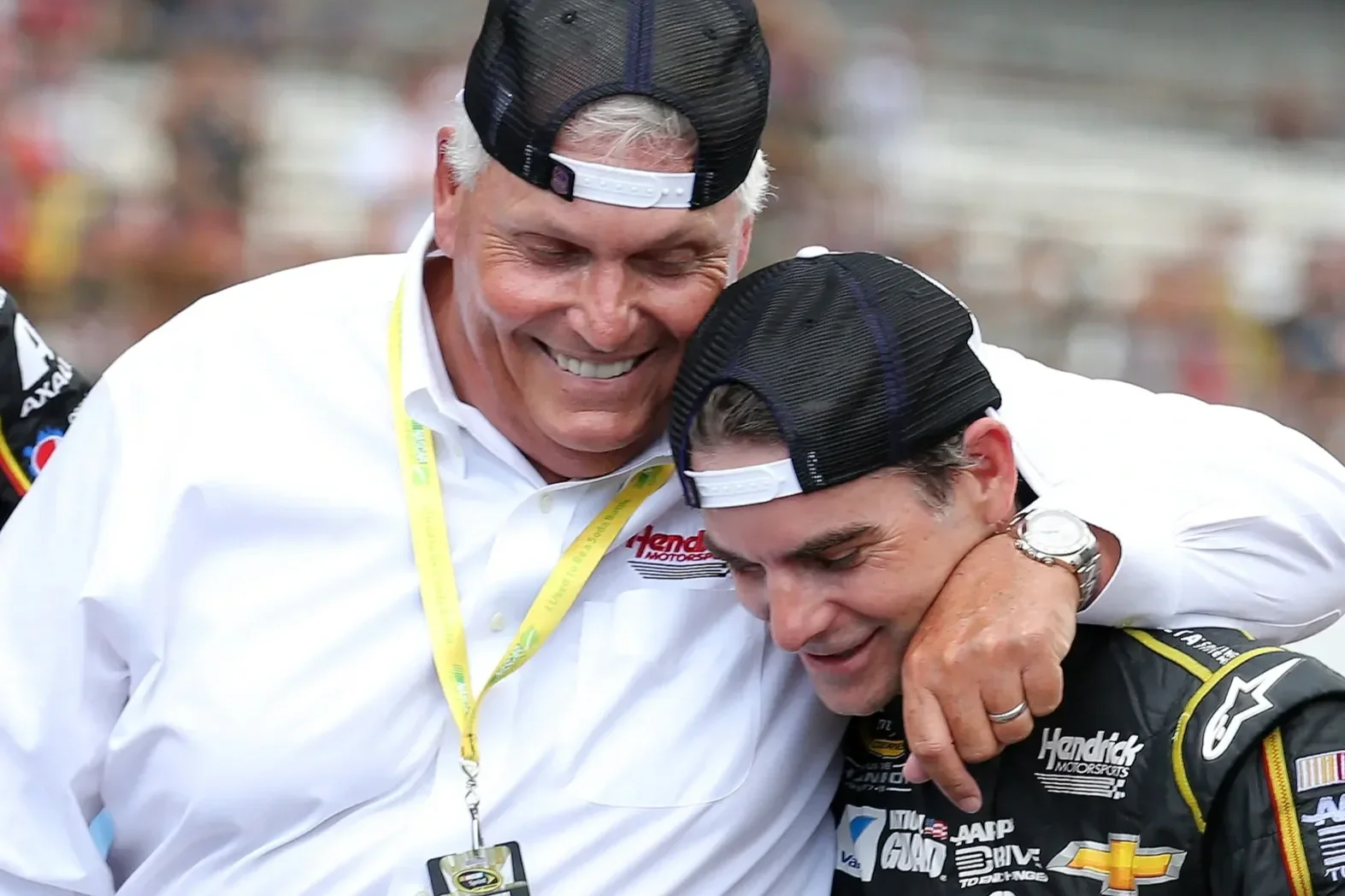
Hendrick Motorsports became the most successful team in NASCAR history. Not because of better cars. Because of better humans.
I think about this story constantly. Not because I am a NASCAR fan, although I will say that since moving to Charlotte, I have developed a genuine appreciation for what happens at that track. I think about it because it is the clearest possible illustration of something most companies still have not figured out.
Your people are athletes.
Maybe not in the literal sense. But they are performing under pressure, sustaining output over long periods, managing stress, making decisions with incomplete information, and doing it all again the next day. That is athletic. And it requires the same thing athletic performance requires: intentional recovery.
76% of employees report experiencing burnout. Only 20% are engaged at work. Those numbers are not a mystery. They are what happens when you treat performance as a given and recovery as an afterthought.
Rick Hendrick did not treat recovery as an afterthought.
Why do movement breaks improve workplace performance?
Movement breaks help employees interrupt prolonged periods of sitting, reduce physical tension, and create an opportunity to reset mentally. By incorporating intentional movement and recovery into the workday, companies can support focus, energy, and sustainable employee performance.
What Companies Can Learn from Athletic Performance
The companies I work with are starting to figure this out. Not the ones buying ping pong tables and calling it culture. The ones actually asking: what does our team need to sustain performance over time? What does recovery look like in a corporate environment? How do we build a workday that accounts for the human body doing the work?
Fifteen minutes. A movement break. A change in physical state that resets cognitive function and brings people back to the room.
Nine seconds used to be impossible in a pit stop.