What NASCAR Can Teach Us About Building High-Performing Teams
Most people don't look at NASCAR and think, "There's a lesson for the future of work."
I certainly didn't.
My knowledge of NASCAR started and ended with Talladega Nights and Ricky Bobby. Then I came across a story about Rick Hendrick, founder of Hendrick Motorsports, and it changed how I think about workplace performance.
It wasn't about race cars. It was about people.
The Decision That Changed NASCAR
Back in the 1980s, pit crews weren't viewed as elite performers. They were mechanics.
Rick Hendrick saw something everyone else missed. He asked a simple question:
What if we treated pit crews like athletes instead of mechanics?
It sounds obvious now, but at the time it was revolutionary.
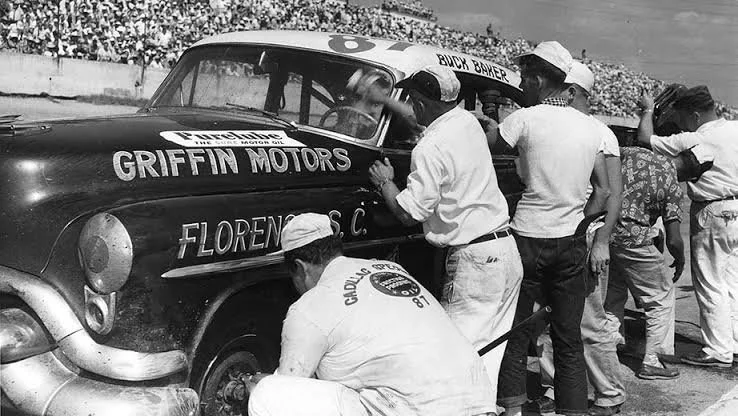
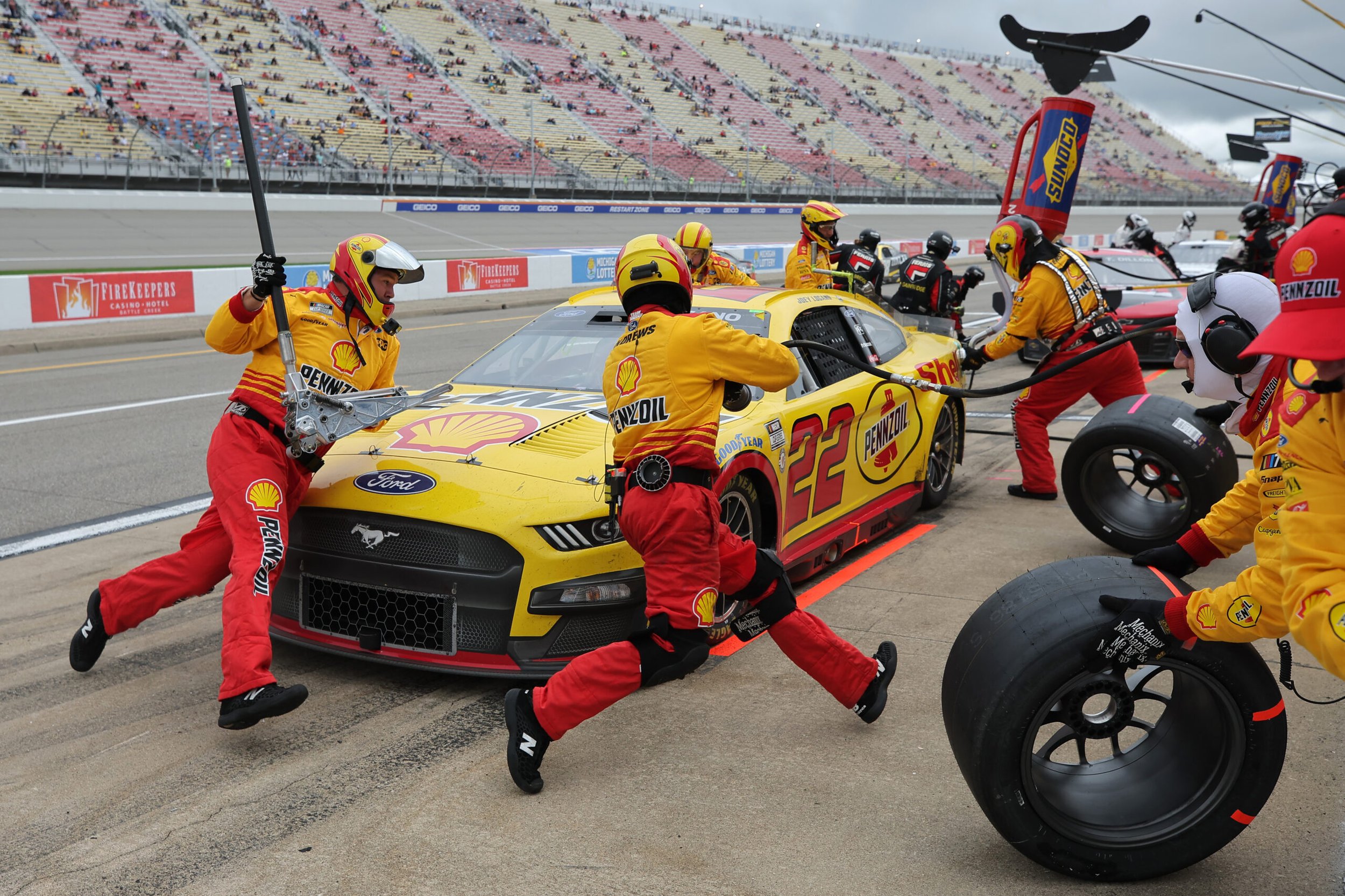
He recruited former college athletes. He invested in strength and conditioning. He brought in human performance specialists. He emphasized agility, coordination, recovery, teamwork, and repetition.
The result: pit stop times dropped from the mid-teens to around nine seconds. Hendrick Motorsports went on to become the most successful organization in NASCAR history.
The cars mattered. But the competitive advantage came from investing in the humans operating them.
Forty Years Later, Most Companies Are Still Missing the Point
Fast forward to today. Organizations are spending billions on AI, automation, and digital transformation. Those investments matter. Technology is changing the way we work at an extraordinary pace.
But there's one thing technology can't replace: the people using it.
Our software evolves every few months. Our bodies don't.
The human brain still needs movement. The nervous system still experiences stress. Energy still fluctuates throughout the day. Recovery still matters.
Yet many organizations continue treating employee well-being as an optional perk rather than a core business strategy. The numbers tell a different story:
Nearly three out of four employees report experiencing burnout.
Employee engagement remains stubbornly low.
Disengagement costs businesses billions of dollars in lost productivity every year.
These aren't wellness problems. They're performance problems.
Retention Has More to Do With Humans Than Perks
When companies talk about retention, the conversation often revolves around compensation, flexibility, or career development. Those matter, but they're only part of the equation.
Research consistently shows that employees stay where they experience two things: a sense of progress, and a genuine feeling that their employer cares about their well-being.
People are significantly more likely to remain with organizations where they feel connected, trusted, and like they belong.
Connection isn't soft. It's measurable.
Belonging isn't fluffy. It's a business outcome.
Culture isn't created through mission statements. It's created through daily experiences.

Employees Already Understand Something Employers Often Don't
Here's what's fascinating: many employees aren't waiting for company initiatives. They're already finding ways to care for themselves during the workday.
Some go for walks between meetings. Others stretch after long periods at their desk. Some fit in quick workouts during lunch or before work because they know they'll think more clearly afterward.
Most people already recognize that movement helps them focus, reduce stress, and perform better. Many also say they'd appreciate more physical tools and opportunities to care for their bodies during the workday.
They're not asking for trendy office perks. They're asking for support that actually helps them perform.
High Performance Isn't About Working Harder
For years we've celebrated hustle. Push harder. Work longer. Skip lunch. Power through.
But elite performers, from professional athletes to dancers to military teams, don't operate that way. They understand something the business world is only beginning to embrace: performance is built during recovery as much as effort.
Movement improves focus. Recovery improves decision-making. Connection strengthens collaboration. Energy fuels execution.
The highest-performing people don't ignore their bodies. They train them.
What I Learned From the Performing Arts
Before founding The Triangle Sessions, I spent a decade performing at the Metropolitan Opera as a professional dancer.
Every performance required precision, consistency, trust, teamwork, and physical readiness. No one expected performers to deliver at an elite level without taking care of their bodies first.
Movement wasn't optional. Recovery wasn't a luxury. Preparation wasn't viewed as lost productivity. It was the job.
That same philosophy applies inside organizations. When people feel physically better, they collaborate better. They think more clearly. They communicate more effectively. They bring more energy into every meeting, project, and interaction.
Team Performance Is the Next Competitive Advantage
We're entering an era where every company has access to similar technology. AI will become more accessible. Automation will become standard. The tools will become increasingly equal.
The differentiator won't simply be which software a company buys. It will be how effectively its people use it.
Organizations that intentionally invest in human performance will create advantages that competitors can't easily copy: more resilient teams, lower burnout, stronger collaboration, higher engagement, better retention, and greater productivity.
These outcomes don't happen by accident. They happen by design.
The Best Investment Might Not Be Another Tool
Rick Hendrick didn't win because he had better race cars. He won because he saw human performance differently than everyone else.
Today's business leaders face a similar opportunity. Yes, continue investing in technology. But don't forget the people expected to operate it, because your employees aren't separate from your business strategy. They are your business strategy.
The companies that outperform over the next decade won't simply have the smartest technology. They'll have the healthiest, most connected, and highest-performing teams behind it.
At The Triangle Sessions, that's exactly what we help organizations build: movement-based team performance programs designed to reduce burnout, strengthen connection, and help people perform at their best.
Because when people move better, they don't just feel better. They perform better.
And that's a competitive advantage no technology can replace.