
Why Small Moments at Work Matter More Than Big Initiatives
There's a familiar playbook when companies decide to improve morale: launch a new initiative, roll out a wellbeing platform, commission a culture audit. These things have their place. But they often share a common flaw — they try to solve a human problem with a structural answer.
The truth is, workplace culture is rarely built in conference rooms. It's built in the in-between moments. The hallway that someone walks down feeling unseen. The Slack message that never came. The meeting that ended without a single word of acknowledgement.
Or, flipped around — the note that someone didn't expect. The team outing that made everyone laugh until their sides hurt. The manager who said "that mattered" and actually meant it.
Culture isn't what you build in big moments. It's what accumulates in all the small ones you weren't paying attention to.
Why the "big solution" instinct keeps failing us
When something feels off with a team — low energy, disengagement, friction — the instinct is to go big. A new program. A team-building day. A policy overhaul. These feel productive because they're visible and measurable. But they rarely touch what's actually wrong.
What employees actually crave is something much harder to budget for: to feel like they matter. Not in an abstract, values-statement kind of way — but in real, specific, human moments. And no platform delivers that. People do.
This is the gap most organizations never close. Not because they don't care, but because they're looking for the change in the wrong places.
Five micro-moments that move the needle
01
The handwritten note that automation can't replicate
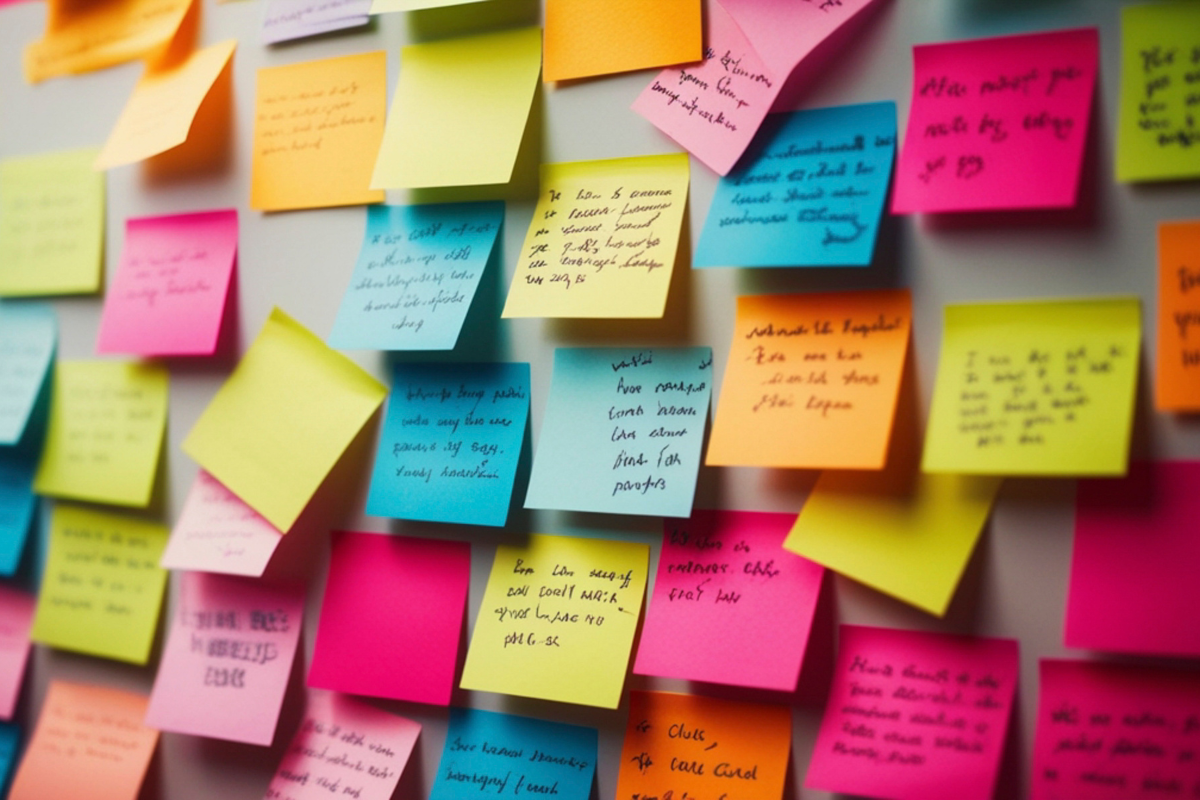
We live in an age optimized for speed. Emails are templated. Thank-yous are auto-generated. And that's exactly why a handwritten note cuts through like almost nothing else can. It signals something automation never will: that someone slowed down, thought specifically about you, and chose to say something.
That kind of appreciation doesn't just make someone feel good — it creates trust. And trust, inside teams, is what makes everything else work. Imagine what your internal culture might look like if appreciation felt personal again, rather than performative.
02
Say the kind thing you're already thinking
Here's a simple habit that costs nothing: if you think something genuinely positive about someone's work, say it out loud. Not in a performance review. Right now, today, in the moment you notice it.
Most workplaces are saturated with constructive feedback and quietly starved of acknowledgment. The feedback loop exists. The appreciation loop is missing. Flipping that balance — even slightly — changes the emotional texture of a team. People start taking more risks, collaborating more openly, and showing up more fully when they believe their effort is actually seen.
03
Connection happens sideways, not in structured sessions
We recently took a team to go duckpin bowling — a slightly absurd, historically humbling sport that nobody is very good at. The point wasn't the bowling. The point was what happened around it: people being beginners together, laughing at themselves, cheering each other on for completely meaningless achievements.
Real connection almost never happens in a facilitated team-building exercise. It happens when people share something unexpected and lighthearted — when they get to be human beings, not just colleagues with deliverables. The ROI on laughter is underrated.
04
Rest is a performance strategy, not a reward
We've been wearing a hat that says "Normalize Napping." The reactions it gets — strong opinions, defensive comments, knowing laughs — tell you everything about how complicated our relationship with rest still is.

Here's the uncomfortable reality: most high performers don't rest because they're done working. They rest because it's how they sustain the capacity to work well. A short break, a walk, a deliberate pause mid-afternoon — these aren't signs of a slacking workforce. They're signs of one that understands how focus actually works. Organizations that build rest into their rhythm don't lose productivity. They protect it.
05
Not every season should feel like peak season
One of the most counterintuitive ideas worth sitting with is this: the best teams are not always operating at full speed. The best teams know how to read the season they're in.
Some periods call for building. Others for maintaining, consolidating, or simply recovering. Teams that resist this — that try to sustain peak output all year round — tend to burn out their best people quietly and then wonder why engagement scores dropped. The teams that actually sustain high performance over time are the ones that know when to push, and when to let the pace breathe.
So what does any of this require?
None of the above is expensive. None of it requires a rollout plan or a committee. What it requires is something harder: intention. Slowing down enough to notice people. Creating small structures that let appreciation be visible. Designing your workday so that rest isn't a guilty afterthought.
It means treating your team like humans first, and employees second — not as a philosophy, but as a daily practice.
A simple place to start this week:
Send one specific, genuine thank-you — not a reply-all, something just for that person.
Give your team explicit permission to take a real break. Not as a treat — as a policy.
Plan one low-stakes shared experience this month. Keep it light. Let it be a little silly.
Say the kind thing you were going to keep to yourself.
Culture doesn't transform through big decisions alone. It shifts — slowly, then suddenly — through the small ones you make every day. And those small decisions? They have a way of adding up much faster than you'd expect.